
Mitchell County Divorce Decree Search
Mitchell County divorce decree records are kept at the Clerk of Superior Court in Bakersville. Searching for a divorce decree in Mitchell County starts at this office. The clerk stores all divorce case files from Mitchell County courts. Bakersville is the county seat. Residents and the public can search these records in person or request copies by mail. A divorce decree from Mitchell County confirms the court ended the marriage.
Mitchell County Divorce Decree Office
The Mitchell County Clerk of Superior Court is the main office for divorce decree records. It sits at 11 N Mitchell Ave in Bakersville. This clerk handles all civil case files. That includes every divorce decree filed in the county. Staff at the office can look up cases by name or case number.
When you visit the Mitchell County clerk, bring a valid photo ID. Know the full name of at least one spouse. A case number speeds up the search. The clerk can pull the divorce decree file and let you view it at the office. You can also ask for copies. Mitchell County is a small, rural county in the mountains of North Carolina. The courthouse in Bakersville serves the whole area. Most visits are handled the same day. If you cannot visit in person, you may call or write to the Mitchell County Clerk of Superior Court to ask about your divorce decree.
Note: The clerk may need extra time to locate older divorce decree files from Mitchell County. Records stored off-site can take several days to retrieve.
| Court |
Mitchell County Clerk of Superior Court 11 N Mitchell Ave Bakersville, NC 28705 |
|---|---|
| Hours | Monday through Friday, 8:00 AM to 5:00 PM |
| Website | mitchellcounty.org |
Mitchell County Divorce Decree Search
The North Carolina eCourts system lets you search for divorce decree records from Mitchell County online. This state portal covers all 100 counties. You can look up civil cases by party name or case number. The system shows basic case details like filing dates and case status. It is free to use for simple searches.
To find a Mitchell County divorce decree online, go to the North Carolina Courts website. Select the civil case search tool. Enter the name of one spouse. Filter results to Mitchell County. The system will show matching cases. You can see when the divorce decree was entered and which judge signed it. For the full document, you still need to contact the Mitchell County clerk.
Online results do not replace the actual divorce decree. They confirm a case exists. The divorce decree itself is the court order that ended the marriage. It contains specific terms and findings. You need a certified copy from the Mitchell County Clerk of Superior Court for most legal uses.
Mitchell County Divorce Decree Details
A divorce decree from Mitchell County is a court order. It dissolves the marriage. The judge signs it after the case meets all legal requirements. Each divorce decree in Mitchell County becomes part of the permanent court record. Anyone can request to view it under public records law.
The divorce decree typically lists the names of both parties and the date of marriage. It states the grounds for divorce. In North Carolina, the most common ground is one year of separation. The decree shows the date the court granted the divorce. It may also reference any agreements the parties reached about property or support. Mitchell County divorce decrees follow the same format used across North Carolina courts.
A Mitchell County divorce decree may include:
- Full names of both spouses
- Date of the marriage and the separation
- Grounds cited for the divorce
- Date the decree was entered by the court
- Name restoration if one party requested it
Some divorce decrees in Mitchell County are short. An uncontested case with no property issues may produce a decree that is just one or two pages. Contested cases generate longer files. The decree itself is still the key document in the case.
North Carolina Divorce Decree Law
North Carolina law governs every divorce decree issued in Mitchell County. The state requires at least one year of living separate and apart before a court can grant a divorce. At least one spouse must have lived in North Carolina for six months before filing. These rules apply in Mitchell County just as they do in every other county.
The North Carolina General Statutes outline the full framework for divorce. Chapter 50 covers divorce and alimony. The law allows equitable distribution of marital property. It also provides for post-separation support and alimony under certain conditions. A divorce decree from Mitchell County reflects these state laws in its terms and findings.
Below is a reference to the North Carolina statutes that govern divorce decree proceedings in Mitchell County.
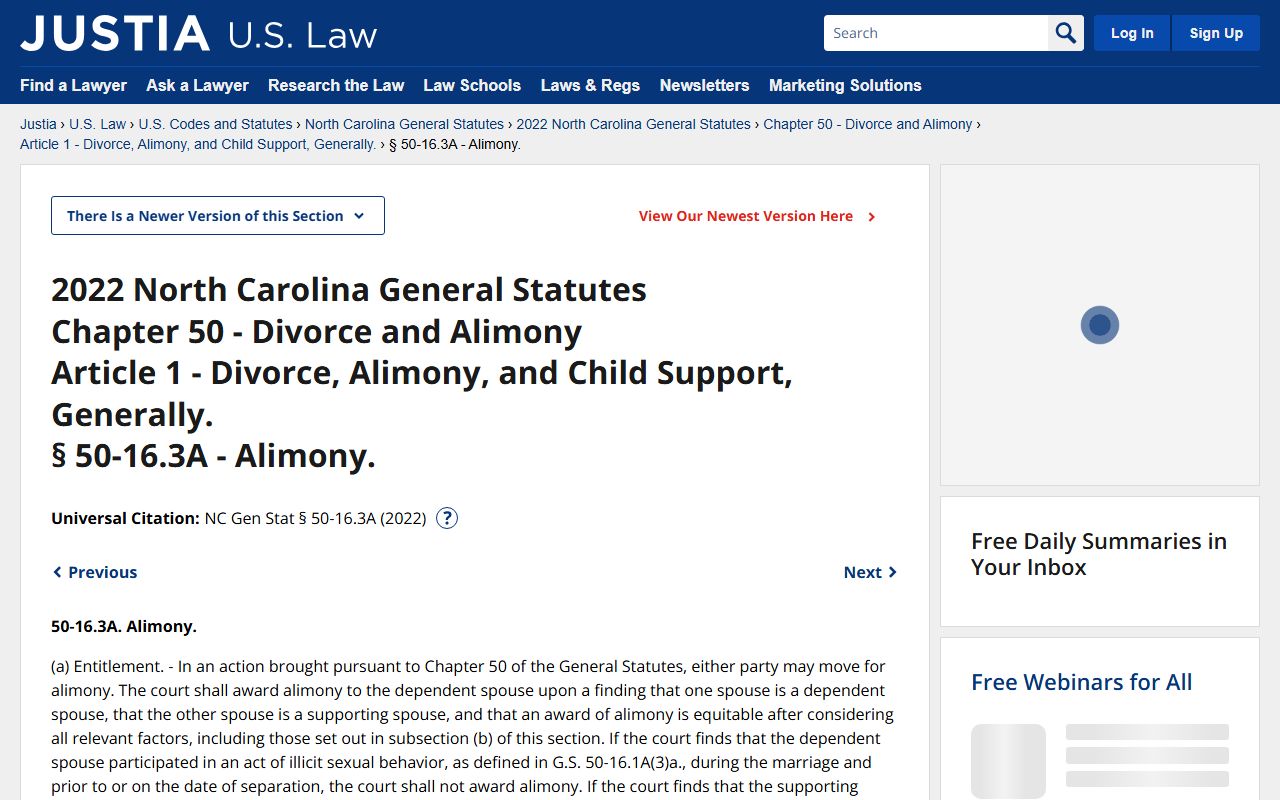
The General Statutes Chapter 50 provides the legal basis for every divorce decree filed in Mitchell County and across North Carolina.
Get Mitchell County Divorce Decree Copy
You can get a copy of a divorce decree from Mitchell County by visiting the clerk in Bakersville. Ask the staff for the case file. They will locate it and make copies. Plain copies work for personal reference. Certified copies carry the court seal and are needed for legal matters. Most people who need a divorce decree from Mitchell County want a certified copy.
You can also request a copy by mail. Write to the Mitchell County Clerk of Superior Court at 11 N Mitchell Ave, Bakersville, NC 28705. Include the full names of both parties, the approximate year of the divorce, and any case number you have. Enclose a check or money order for the copy fee. The clerk will mail the divorce decree copy to you.
Note: Certified copies of a Mitchell County divorce decree carry the official court seal. Many agencies and institutions require this version for name changes, remarriage, or property transfers.
Divorce Decree Verification in North Carolina
The North Carolina Vital Records office offers divorce verification letters. These are not the same as a divorce decree. A verification letter confirms a divorce happened. It shows the names, county, and date. It does not include the full terms of the divorce decree. Vital Records has records for divorces from 1958 to the present.
To get a verification letter for a Mitchell County divorce, contact the North Carolina Vital Records Section. You can mail your request or visit their office in Raleigh at 225 North McDowell Street. For the complete divorce decree with all terms and conditions, you must go to the Mitchell County Clerk of Superior Court in Bakersville.
Legal Resources for Mitchell County
Several organizations can help with divorce cases in Mitchell County. Legal Aid of North Carolina provides free legal help to qualifying residents. They can assist with divorce filings and help you understand your divorce decree. The North Carolina Judicial Branch website at nccourts.gov has court forms and guides for people handling their own divorce in Mitchell County.
The Mitchell County government website lists local services. It includes contact information for county offices and departments. For questions about a specific divorce decree, the clerk office in Bakersville is your best resource. Staff can explain what documents are in the file and how to get copies.
Mitchell County Public Records Access
Divorce decree records in Mitchell County are public. North Carolina General Statutes Chapter 132 establishes the right of public access to government records. This includes court files. Anyone can ask to view a divorce decree at the Mitchell County courthouse. You do not need to be a party to the case.
There are some limits. Records involving minors may be sealed or redacted. Financial affidavits sometimes contain sensitive information that the court protects. But the divorce decree itself is almost always available to the public in Mitchell County. The clerk will let you view the file and make copies for a small fee.
Searching public records in Mitchell County is straightforward. The small size of the county means the clerk office handles fewer cases than larger jurisdictions. Staff are often able to locate a divorce decree quickly. Walk-in requests are common at the Bakersville courthouse.