
Lincoln County Divorce Decree Files
Lincoln County keeps divorce decree records at the Clerk of Superior Court in Lincolnton. This western Piedmont county is northwest of Charlotte. Searching for a divorce decree in Lincoln County starts at the courthouse on Courthouse Square. The clerk staff can find your case and provide copies on request. Lincoln County divorce decree files are public records and available to anyone who asks.
Lincoln County Clerk of Court
The Lincoln County Clerk of Superior Court is the custodian of all divorce decree files in the county. The office address is 1 Courthouse Square, Lincolnton, NC 28092. All civil cases filed in Lincoln County are stored here. That includes every divorce decree that a judge has signed.
Lincolnton is the county seat. It serves all of Lincoln County. Towns like Denver, Maiden, and Crouse all fall under this one clerk office for court records. Your Lincoln County divorce decree is on file at this location regardless of where in the county you lived. Walk in with a photo ID and a name to search. The clerk can pull the file and make copies for you. Same-day service is typical for most Lincoln County divorce decree requests.
The Lincoln County government website shown below has contact details for the clerk office that handles divorce decree records.
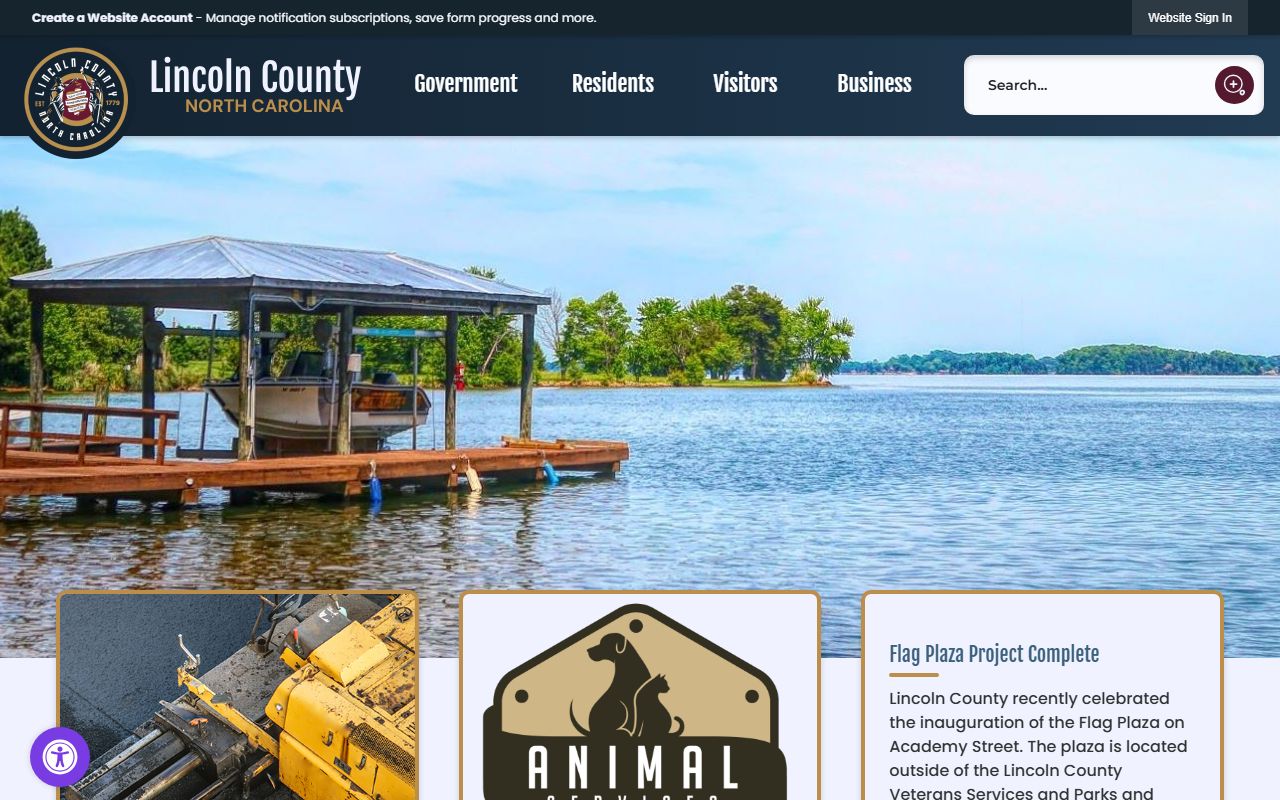
Visit the Lincoln County website to confirm hours before going to the courthouse for a divorce decree search.
| Court |
Lincoln County Clerk of Superior Court 1 Courthouse Square Lincolnton, NC 28092 |
|---|---|
| Hours | Monday through Friday, 8:00 AM to 5:00 PM |
| Website | lincolncounty.org |
Find Lincoln County Divorce Decree
Several ways exist to search for a divorce decree in Lincoln County. The method you pick depends on your needs and timeline. In-person visits are fastest. Online searches are good for basic details. Mail works if you cannot travel to Lincolnton.
At the courthouse, give the clerk the name of one spouse. A case number helps a lot. The clerk searches the system and finds the file. You can view it on site and get copies. Certified copies have the court seal. Plain copies cost less. Most Lincoln County divorce decree requests take just a few minutes when you visit in person.
The NC eCourts portal lets you search civil cases online. You can find Lincoln County divorce cases by party name. The portal shows case numbers, dates, and party names. It does not show the full divorce decree. For the complete document, contact the Lincoln County clerk office directly.
- In person at the Lincolnton courthouse
- By mail to the clerk office
- Online case search through NC eCourts
Note: If you send a mail request for a Lincoln County divorce decree, include both names, the year, and payment for copy fees.
Lincoln County Divorce Decree and Certificate
These are two separate documents. The divorce decree is the court order. A judge signs it. It contains all the terms of the divorce. Property, custody, and support details are in the decree. The Lincoln County clerk in Lincolnton keeps the decree on file.
A divorce certificate comes from the state. The NC Vital Records office issues certificates for North Carolina divorces from 1958 forward. The certificate is a short form. It confirms the divorce happened. It shows names, date, and county. It costs $24. The certificate does not include terms of the divorce. For legal uses that need full details, the Lincoln County divorce decree is the document you want.
Divorce Decree Filing in Lincoln County
Filing for divorce in Lincoln County follows state law. One spouse files a complaint at the clerk office. The fee is $225. G.S. 50-6 requires one year of separation. G.S. 50-8 requires six months of state residency. If either spouse lives in Lincoln County, the case can be filed in Lincolnton.
After filing, the other spouse gets served with the papers. The sheriff, a process server, or certified mail handles this. Proof of service goes in the file. If the case is uncontested, the court can hear it quickly. The judge signs the Lincoln County divorce decree when all legal steps are complete. That decree then becomes a permanent public record.
Claims for property under G.S. 50-20 and alimony under G.S. 50-16.3A must be filed before the divorce decree is entered. The Lincoln County clerk keeps all related documents in the case file. Missing the deadline means losing those rights forever under North Carolina law.
Note: Always file property and alimony claims before the Lincoln County divorce decree is signed by the judge.
Public Access to Lincoln County Divorce Decree
A Lincoln County divorce decree is a public record. G.S. Chapter 132 governs public access to court files in North Carolina. You do not need to be a party to the case to view or copy a divorce decree in Lincoln County. Walk into the Lincolnton courthouse and make your request. The clerk provides copies for a small fee.
Most parts of a divorce file are public. Some documents involving children or sensitive matters may be restricted. The divorce decree itself is almost always available. The clerk in Lincolnton can tell you if any part of the file has limited access when you request a Lincoln County divorce decree.
Lincoln County Divorce Decree Resources
Legal Aid of North Carolina helps low-income residents with divorce filings and court paperwork. The NC Courts divorce guide offers forms and instructions. The NC Vital Records office handles state-level divorce certificates for all counties.
Clerk staff at the Lincoln County courthouse in Lincolnton can point you to the right forms. They cannot give legal advice. For complex cases with property disputes or custody, consult a family law attorney. The NC State Bar referral line is 1-800-662-7660. Whether you need an old divorce decree or plan to file a new case, these resources cover Lincoln County and the rest of the state.
The Vital Records research page helps with historical records. Very old Lincoln County divorce decree files may require searching state archives in addition to the local clerk office.