
Hyde County Divorce Decree Records
Hyde County is on the coast of eastern North Carolina. It is one of the least populated counties in the state. The county seat is Swan Quarter. If you need to search for a divorce decree from Hyde County, the Clerk of Superior Court holds all civil court files. The small courthouse in Swan Quarter is where these records are stored. Staff can help you find a divorce decree from any Hyde County case.
Hyde County Clerk of Court
The Hyde County Clerk of Superior Court manages all divorce decree records. The office is at 40 Oyster Creek Rd, Swan Quarter, NC 27885. The clerk keeps every court file from divorce cases in Hyde County. This is a small office, and the staff know their records well.
Visit the Hyde County clerk in person for the best results. Bring a valid photo ID. Provide the name of at least one spouse or the case number. The clerk can search by name or by date. Hyde County court records are public under G.S. Chapter 132. You do not have to be a party to the case to request a divorce decree. Because Hyde County has fewer cases than larger counties, staff can often pull a file very quickly.
The image below shows the North Carolina divorce statutes page, which outlines the laws that apply to all Hyde County divorce cases.
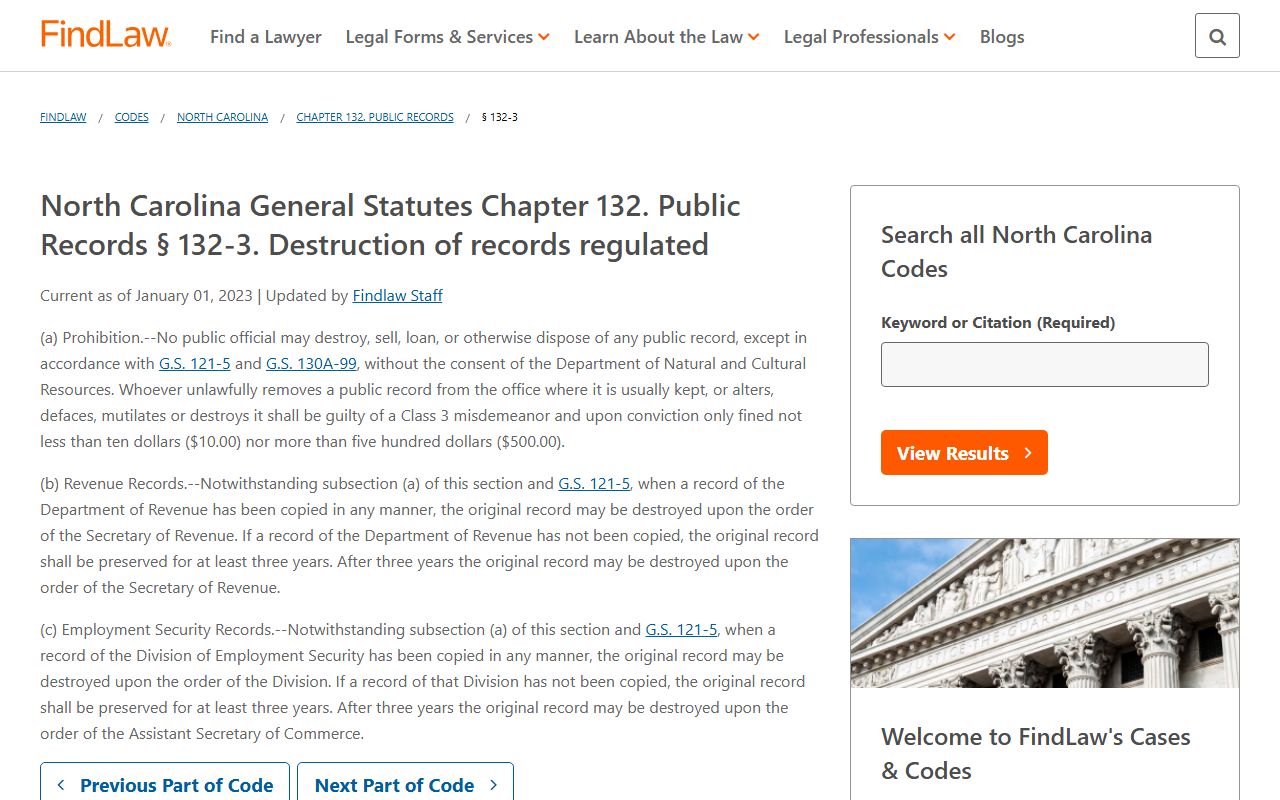
These state laws govern every divorce decree filed in Hyde County and across North Carolina.
How to Get a Hyde Divorce Decree
You can get a divorce decree from Hyde County in a few ways. Swan Quarter is a small and remote town, so plan ahead.
In person is the fastest route. Go to the Hyde County courthouse at 40 Oyster Creek Rd in Swan Quarter. Ask the clerk to search for the case. You can read the divorce decree file at the counter. If you need copies, the clerk will make them. Certified copies have the court seal. Plain copies work for personal records. Hyde County handles most requests the same day.
By mail is a good choice if you cannot travel to Swan Quarter. Write to the Hyde County Clerk of Superior Court at 40 Oyster Creek Rd, Swan Quarter, NC 27885. Include the full names of both parties, the year of the divorce, and your return address. Enclose a check or money order for copy fees. The clerk will process your request and mail the Hyde County divorce decree copies back. This may take one to three weeks due to the office size.
The NC eCourts portal offers basic case info online. You can look up party names, case numbers, and dates. For the full Hyde County divorce decree, you need to reach out to the clerk.
- In person at the Swan Quarter courthouse
- By mail with a written request and fees
- Online search through NC eCourts
- Through a third-party records service
Note: Hyde County is one of the smallest counties in North Carolina. Call ahead to make sure the office is open when you plan to visit.
Hyde County Divorce Decree Process
North Carolina is a no-fault divorce state. Under G.S. 50-6, spouses must live apart for one full year. At least one must have lived in North Carolina for six months under G.S. 50-8. If you meet these conditions, you can file in Hyde County.
The filing fee is $225 in Hyde County. You file the complaint at the Clerk of Superior Court in Swan Quarter. The clerk assigns a case number. You serve the other spouse. After the court grants the divorce, the judge signs a divorce decree. This decree enters the Hyde County court file and becomes a public record.
A divorce decree is the full court order. It may include terms on property and support. A divorce certificate is a short form from the state. It only confirms the divorce occurred. The NC Vital Records office has certificates from 1958 to the present for $24. For the complete Hyde County divorce decree, the clerk in Swan Quarter is the source.
Hyde Divorce Decree File Contents
A Hyde County divorce decree file contains the key documents from the case. The complaint opens it. This paper states the grounds and what the filing spouse wants. The answer is the other spouse's response. Any motions, agreements, or consent orders go in the file. The final divorce decree is the judge's order that ends the marriage.
A typical Hyde County divorce decree lists both party names, the marriage date, the separation date, and the date the court granted the divorce. If alimony was at issue, the decree may cite G.S. 50-16.3A. When spouses could not agree on how to split assets, the court steps in under the equitable distribution rules of G.S. 50-20. The judge divides things in a fair way.
People need a Hyde County divorce decree for several reasons. Common ones include remarriage, name changes, property sales, and insurance updates. A certified copy is best for legal matters. A plain copy works for your own records.
Note: Because Hyde County is small, the number of divorce cases filed each year is low. This means staff can often give you very focused help with your search.
State Divorce Records for Hyde
The NC Vital Records Section in Raleigh holds divorce certificates for all North Carolina counties, including Hyde. Their mailing address is 1903 Mail Service Center, Raleigh, NC 27699-1900. Records start in 1958.
Before 1958, Hyde County divorce records are only at the county level. For an older Hyde County divorce decree, the clerk in Swan Quarter is the only source. The Vital Records research page has guidance on historical records.
A state certificate costs $24 and serves as quick proof of a divorce. It does not include the full terms. If you need the property split, support details, or the whole court order, you need the Hyde County divorce decree from the Swan Quarter court file.
Hyde County Divorce Decree Help
Legal Aid of North Carolina serves Hyde County residents who qualify based on income. They help with forms, filings, and court prep. The NC Courts website has guides and forms for those handling a divorce on their own in Hyde County.
Staff at the Swan Quarter courthouse can direct you to forms. They cannot give legal advice. For questions about your Hyde County divorce decree, speak with an attorney. The NC State Bar referral line is 1-800-662-7660. A lawyer can explain what the decree means and how it affects your rights.