
Halifax Divorce Decree Search
Halifax County lies in the northeastern part of North Carolina. The county seat is the town of Halifax. Residents searching for a divorce decree from Halifax County can find records at the Clerk of Superior Court. The clerk maintains all civil case files, including divorce cases. Halifax is a small town, so the courthouse staff can often assist with record searches quickly. Whether you need a divorce decree for court or personal use, Halifax County records are available to the public.
Halifax County Clerk of Court
The Halifax County Clerk of Superior Court handles all divorce decree records. The office is at 357 Ferrell Lane, Halifax, NC 27839. Staff can search for divorce cases by party name or case number. Halifax County court records are public under G.S. Chapter 132. Anyone can request to view a divorce decree on file.
Visit the Halifax County clerk in person for the fastest service. Bring a photo ID. Tell the staff the names of the parties or the case number. The clerk will pull the file for you. You can view the full divorce decree right at the counter. If you need copies, the staff will make them. Most people leave the Halifax County courthouse with their records the same day they visit.
The image below shows the Halifax County government website, where you can find office details and contact info for divorce decree requests.
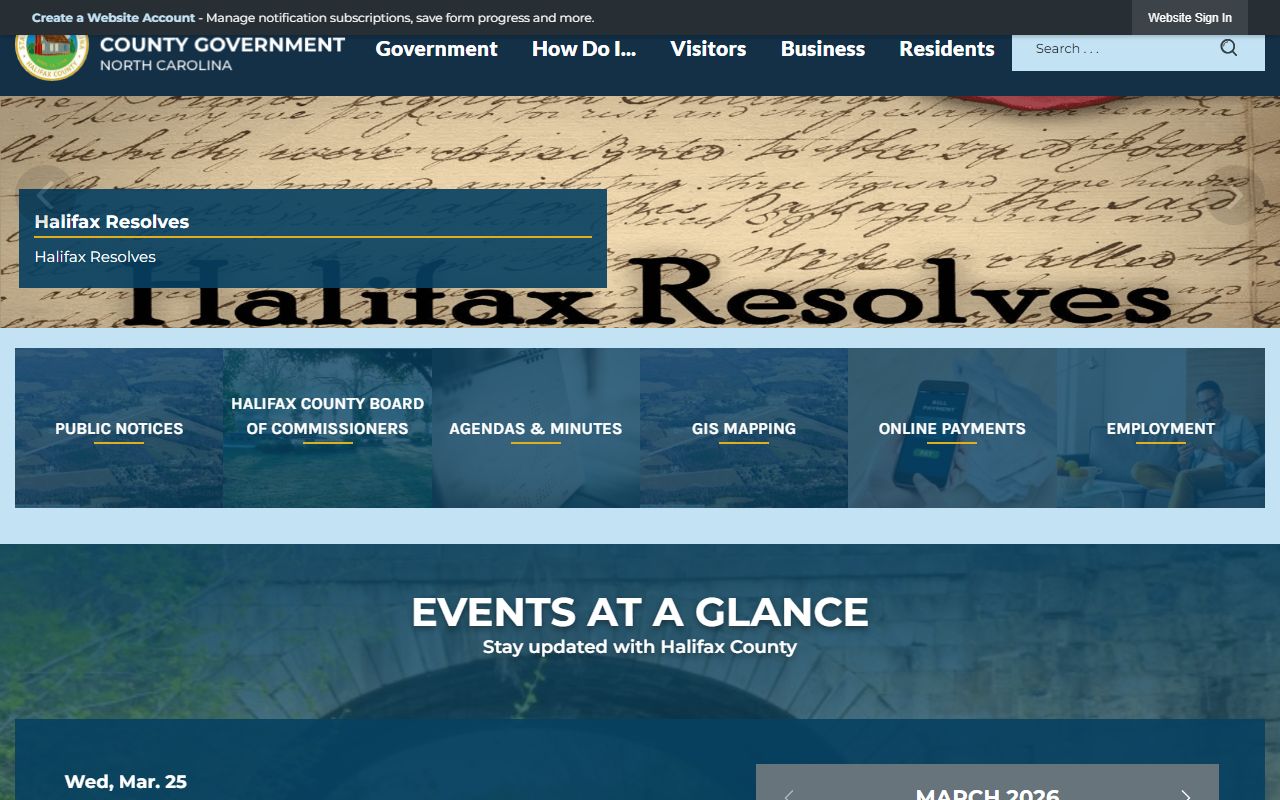
Check the Halifax County website for current office hours before your visit.
Note: The Halifax County courthouse may have limited hours on certain days. Always call ahead to confirm.
How to Get a Halifax Divorce Decree
There are a few ways to get a divorce decree from Halifax County. The right method depends on where you live and how soon you need the record.
In person is the fastest option. Go to the Halifax County courthouse at 357 Ferrell Lane in Halifax. Ask the clerk to search for the case. You can view the divorce decree file on the spot. If you want copies, the clerk will make them. Certified copies carry a court seal and are valid for legal use. Halifax County handles most requests the same day.
By mail is good if you live far from Halifax County. Write a letter to the Clerk of Superior Court at 357 Ferrell Lane, Halifax, NC 27839. Include the full names of both parties and the year of the divorce. Add your return address and a check or money order for copy fees. The Halifax County clerk will process the request and mail your divorce decree copies back. This can take one to three weeks.
Online tools can help you start your search. The NC eCourts portal lets you look up case basics by name. It shows dates, parties, and case numbers. For the full Halifax County divorce decree document, you still need to contact the clerk directly.
- In person at the Halifax courthouse
- By mail with a written request
- Online search through NC eCourts
- Through a third-party records service
Halifax County Divorce Decree Process
North Carolina follows a no-fault divorce model. Under G.S. 50-6, spouses must live apart for one full year before filing. At least one spouse must have been a North Carolina resident for six months under G.S. 50-8. If you meet these rules, you can file in Halifax County.
Filing a divorce in Halifax County costs $225. You file the complaint at the Clerk of Superior Court in Halifax. The clerk assigns a case number. You then serve the other spouse with the papers. Once the court grants the divorce, the judge signs a divorce decree. This decree goes into the Halifax County court file. It is a public record from that point on.
A divorce decree and a divorce certificate are two different things. The decree is the full court order from Halifax County. It may include terms on property, support, and other issues. A divorce certificate is a brief form from the state. It just confirms that a divorce took place. The NC Vital Records office has certificates from 1958 forward. That form costs $24. For the complete Halifax County divorce decree, go to the clerk.
Halifax Divorce Decree File Contents
A Halifax County divorce decree file has several parts. The complaint starts the case. It states the grounds and what the filing spouse seeks. The answer is the other spouse's response. Any motions, agreements, or consent orders go in the file too. The final divorce decree is the order that ends the marriage.
Key details in a Halifax County divorce decree include the names of both spouses, the date of marriage, the date of separation, and the date the divorce was granted. If alimony was part of the case, the decree may cite G.S. 50-16.3A. Property division terms appear when spouses could not reach their own deal. North Carolina is an equitable distribution state under G.S. 50-20, so the court splits assets fairly.
Note: Equitable distribution claims must be filed before the Halifax County divorce decree is entered, or they are lost.
State Divorce Records for Halifax
Beyond the Halifax County courthouse, the state keeps its own divorce records. The NC Vital Records Section in Raleigh holds divorce certificates for every county. Their address is 1903 Mail Service Center, Raleigh, NC 27699-1900.
State records go back to 1958. Before that year, Halifax County divorce records exist only at the county level. For an older Halifax County divorce decree, the clerk in Halifax is the only source. The Vital Records research page provides guidance on historical record searches.
The state certificate is useful for quick proof. It costs $24 and shows basic facts. But it does not contain the full terms. If you need property details, support orders, or the full text, you need the Halifax County divorce decree from the court file.
Halifax County Divorce Decree Assistance
Legal Aid of North Carolina serves Halifax County residents with low income. They help with forms, filings, and court prep. The NC Courts website has forms and guides for those who represent themselves in Halifax County.
The Halifax County courthouse staff can guide you to the right forms. They cannot give legal advice. For questions about your divorce decree or how to read the terms, a local attorney is your best option. The NC State Bar referral line is 1-800-662-7660. An attorney can explain what your Halifax County divorce decree means for your rights going forward.