
Cumberland County Divorce Decree
Cumberland County is one of the largest counties in North Carolina. Its county seat is Fayetteville. Those who need a divorce decree from Cumberland County can search through the Clerk of Superior Court. The clerk holds all civil case files, including records from divorce proceedings. Fayetteville is home to Fort Liberty and has a large, diverse population. The Cumberland County courthouse handles a high volume of cases, so planning ahead can save you time when searching for a divorce decree.
Cumberland County Clerk Divorce Decree Office
The Cumberland County Clerk of Superior Court is the primary source for divorce decree records. The office is at 117 Dick Street in Fayetteville, NC 28301. All divorce cases filed in Cumberland County are stored here. The clerk's staff can look up files by party name or case number.
Bring a valid photo ID. Court records are public under G.S. Chapter 132. You do not have to be a party to the case. The Cumberland County clerk can give you plain or certified copies. Certified copies carry the court seal. Banks and courts want certified copies. Plain copies work for personal use.
Cumberland County is a busy courthouse. Fayetteville has a large population, and the clerk handles many requests each day. Morning visits tend to have shorter wait times. Call ahead to check conditions if you plan to visit for a Cumberland County divorce decree.
Cumberland County Government Divorce Records
The Cumberland County government website connects you to all county offices. From there, you can reach the clerk's page for phone numbers, office hours, and directions. This is a good starting point before you head to the courthouse.
Below is the Cumberland County government website, which links to the clerk's office and other departments for divorce decree requests.
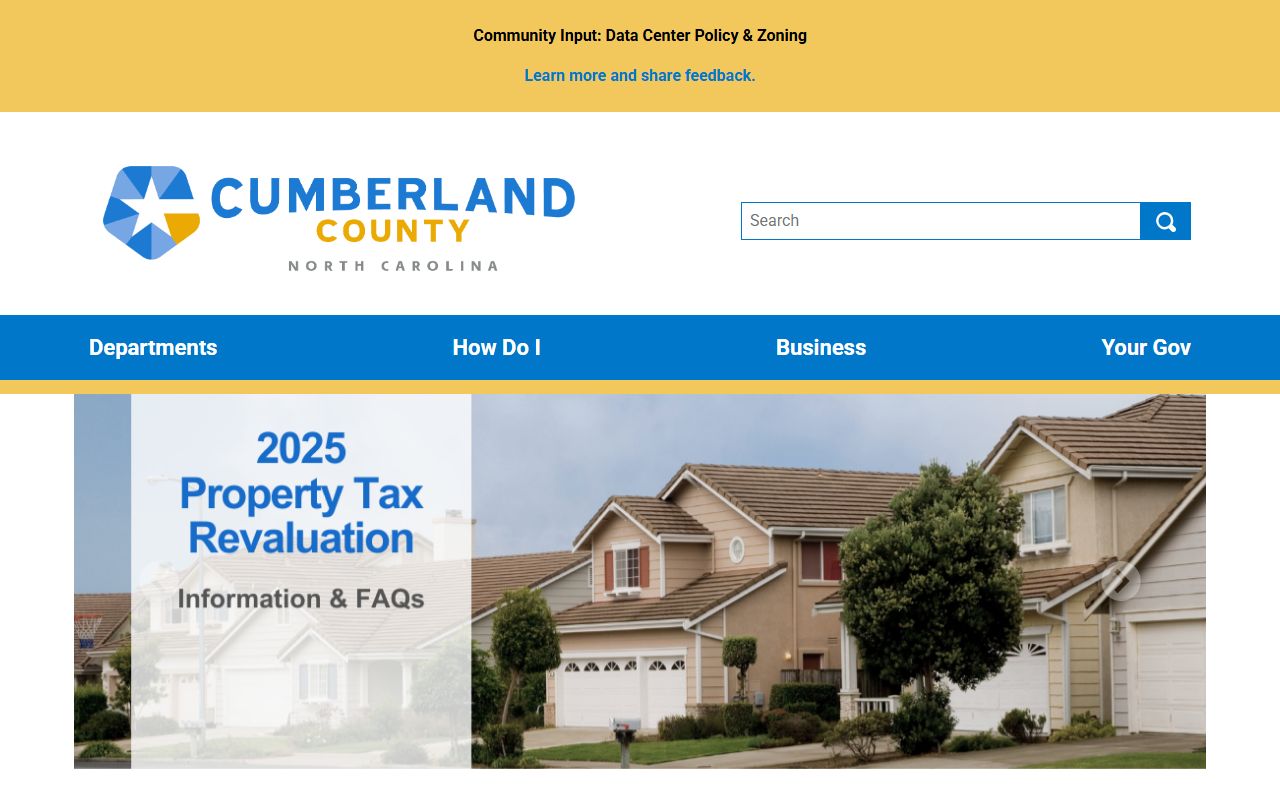
Check the site for any updates on courthouse hours or closures before your visit to Cumberland County.
Note: Cumberland County sees high foot traffic due to the military community, so expect longer waits during peak hours.
Cumberland Divorce Decree Records
The Cumberland County Register of Deeds handles marriage records, land deeds, and other recorded documents. While the Register of Deeds does not keep divorce decree files, it can be a helpful resource. Marriage certificates often tie into divorce cases. You may need both your marriage record and your Cumberland County divorce decree for legal matters.
Here is the Cumberland County Register of Deeds page, which provides access to marriage and other recorded documents.
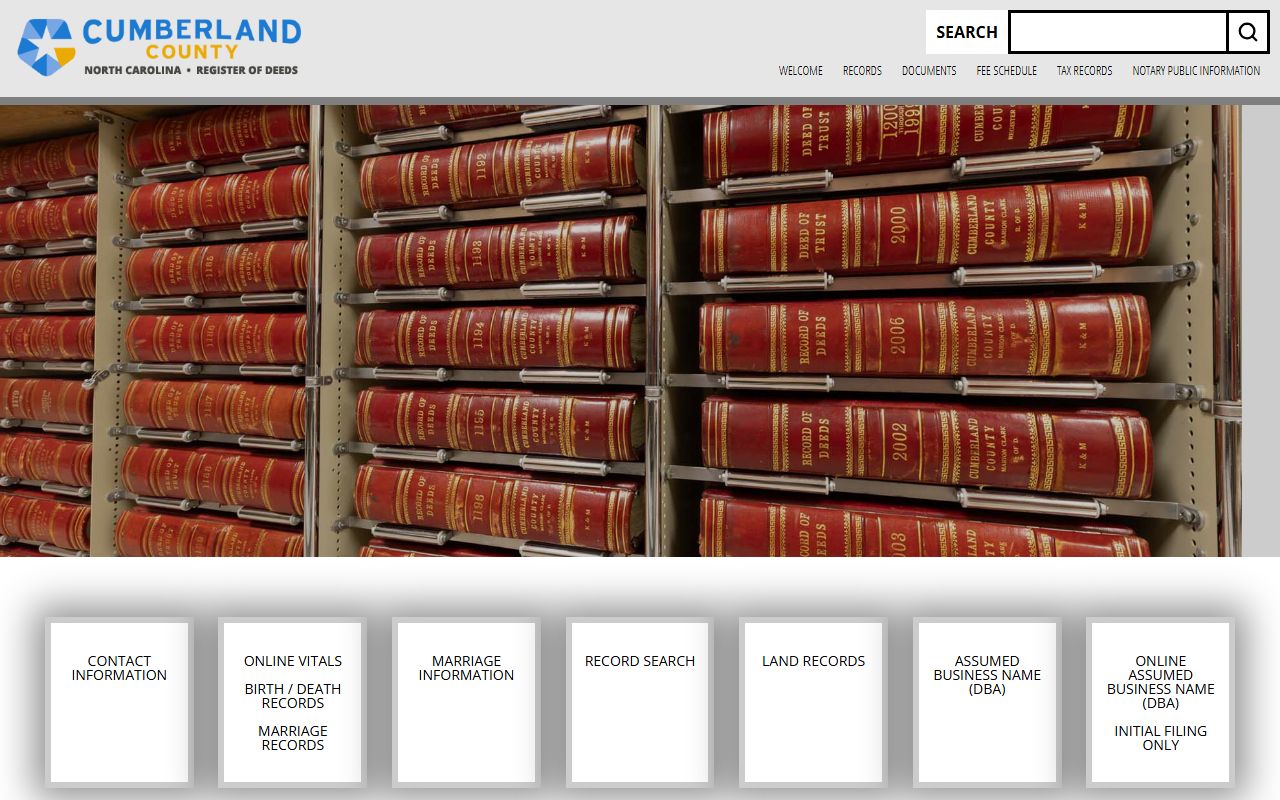
Use this office for marriage records that may support your Cumberland County divorce decree request.
Getting a Cumberland Divorce Decree
Multiple methods exist for getting a divorce decree from Cumberland County.
In person is the fastest way. Go to the courthouse at 117 Dick Street in Fayetteville. Tell the clerk you need a divorce decree. Provide the names of the parties or the case number. The clerk will find the file and let you view it. Copies are made on site. Cumberland County handles most in-person requests the same day, though waits can be longer during busy periods.
Mail requests work for those outside the area. Write to the Cumberland County Clerk of Superior Court at 117 Dick Street, Fayetteville, NC 28301. Include both parties' full names and the year of the divorce. Add a check or money order for the fees. The clerk processes the request and mails back the copies. Allow one to three weeks for Cumberland County mail requests due to the high volume of cases.
The NC eCourts portal lets you search basic case info online. You can find case numbers and dates. For the full Cumberland County divorce decree document, you must contact the clerk directly.
- Visit the Fayetteville courthouse in person
- Send a mail request with payment
- Search NC eCourts online first
- Use a third-party records provider
Cumberland County Divorce Decree Requirements
North Carolina uses no-fault divorce. Under G.S. 50-6, couples must live apart for one full year. G.S. 50-8 requires at least one spouse to have lived in the state for six months. These rules apply in Cumberland County and every other county.
Filing starts at the clerk's office in Fayetteville. The fee is $225. The clerk assigns a case number. You serve the other spouse. The court sets a hearing. If the judge finds all requirements met, the judge signs a divorce decree. This order goes into the Cumberland County court file. It becomes a public record. Due to the large number of cases in Cumberland County, processing may take longer than in smaller counties.
Property division follows equitable distribution under G.S. 50-20. The court splits assets fairly, not always equally. Alimony may be part of the case under G.S. 50-16.3A. These terms show up in the Cumberland County divorce decree when they apply to the case.
Note: Cumberland County has a large military population, and divorce cases involving service members may have additional requirements under federal law.
Cumberland Divorce Decree vs. Certificate
A divorce decree is the full court order. It comes from the Cumberland County clerk's file. It may be several pages long. It can include property terms, support orders, and other details. A divorce certificate is a one-page form from the state. It only confirms the divorce took place.
The NC Vital Records office issues certificates for all counties from 1958 to now. The fee is $24. For divorces before 1958, the Cumberland County clerk holds the only records. The Vital Records research page can help with older records.
Cumberland County Divorce Decree Help
Legal Aid of North Carolina helps Cumberland County residents with low income. They assist with forms and the divorce process. The NC Courts website provides self-help guides and forms for those who represent themselves in court.
The Cumberland County courthouse staff in Fayetteville can direct you to the right forms. They cannot give legal advice. For questions about your Cumberland County divorce decree, contact a family law attorney. The NC State Bar referral line at 1-800-662-7660 can connect you with a lawyer in the Fayetteville area. Military families can also seek help through legal assistance offices on Fort Liberty.